
The charm of casinos and the player's mind
Modern casinos offer a unique mix of entertainment, bets and adrenaline. Player psychology plays a crucial role in this context, influencing decisions and behaviors. The bright lights, the sounds of the machines and the atmosphere full of expectation create an environment that stimulates emotions, making players more inclined to engage. This charm is not just a matter of luck, but it is deeply rooted in the way human beings perceive the possibilities of winning and the risk. For example, many go to casinos to try siti slot online with the expectation of getting big rewards, and psychologists study these factors to understand how visual and audio stimuli influence players' choices, leading them to repeat actions even when they are not rationally justifiable.
Furthermore, the concept of «area» of game, where players feel totally immersed, it is fundamental. During these moments, judgment is impaired: good music and a festive atmosphere can make you forget your losses, while players focus on potential winnings. Many casinos design their spaces to optimize this experience, placing the most attractive games in strategic locations and creating an environment that encourages extended play. Player psychology is therefore a combination of environmental factors, emotional and cognitive that must be carefully analyzed.
Another important element is the perception of winning. Psychological studies show that players tend to overestimate their chances of success. This cognitive distortion, known as the illusion of control, pushes people to believe that they can influence the outcome of the game through their choices. Awareness of these mental traps can help players make more informed decisions and better manage their budget while gaming. The psychology behind these perceptions is complex and fascinating, revealing a lot about the motivations and thoughts of players in modern casinos.
Cognitive biases and gambling
Cognitive biases are mental shortcuts that humans use to make quick decisions. In the context of gambling, these biases can greatly influence how players evaluate their chances of winning. For example, availability bias leads players to remember recent wins more easily than losses, fueling a false perception of success. This bias leads many to continue playing even when the odds are not favorable, influencing behavior and leading to excessive betting.
Furthermore, the phenomenon of «sunk cost fallacy» manifests itself in casinos, where players continue to invest time and money in a game in which they have already lost, in the hope of recovering previous losses. This attitude is linked to a fear of losing further, and can push players to overcome their financial limits. Understanding these biases is fundamental to tackling problem gambling and developing more responsible gambling strategies.

In the end, il «gambling addiction» it is a critical aspect that arises from these cognitive biases. Players can fall into a vicious cycle of betting, driven by the hope of winning and the denial of losses. Recognition of these patterns of thinking and behavior is essential for the prevention and treatment of gambling addiction. Awareness campaigns and psychological support resources are important to educate players about the risks and to promote a more conscious and healthy approach to gambling.
The role of emotions in gambling
Emotions are a crucial element that influences player behavior in casinos. The joy and euphoria associated with a win can lead to an increase in playability, while frustration over losses can result in impulsive decisions. A player's emotional responses can be amplified by their surroundings and social interactions. Casinos are designed to stimulate positive emotions, creating a sort of collective euphoria, especially in moments of winning. This social environment can make the game even more addictive, as players seek emotional connection not only with the game itself, but also with others.
Negative emotions, such as sadness or anxiety, can lead to dysfunctional gaming strategies. Some players may try to «escape» from their emotions through play, using betting as a form of coping. This dynamic reflects an important interaction between mental health and gaming experiences, highlighting the need for a deeper understanding of gambler psychology to tackle problem gambling effectively. The interaction between emotions and gaming behavior is therefore a fundamental field of research.
In this context, Casino operators have a responsibility to create an environment that not only fosters entertainment, but which also promotes responsible gaming practices. Training staff and implementing strategies to identify problematic behaviors can help mitigate the negative effects of gambling, creating a healthier and more sustainable approach for all participants. Collaboration between psychologists, operators and players is essential to develop a more aware and safe gaming environment.
The influence of technology and new media
With the advancement of technology, The gaming industry has seen a radical shift in gaming formats and experiences. Online casinos, for example, have made gambling accessible to a wide audience, but they also introduced new psychological challenges. The ease of access to online games can lead to compulsive behavior, as players can bet at any time and any place. This phenomenon highlights the importance of self-regulation strategies and personal awareness.
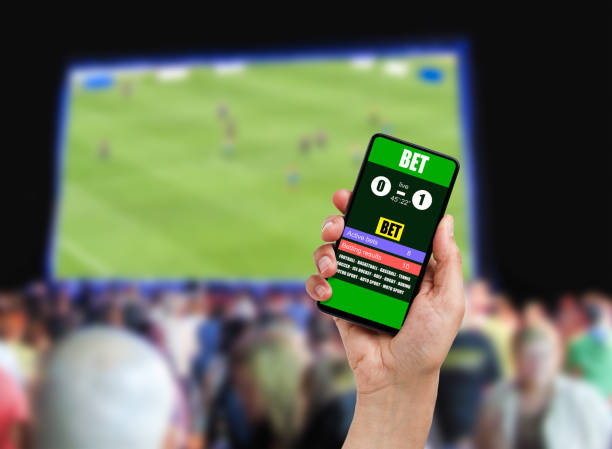
Gamification is another aspect to consider. The use of game mechanics in traditional and online casinos has increased player engagement, making the gaming experience more engaging. However, Increased competition among casinos to attract players can lead to practices that emphasize risk obscuring, promuovendo una visione distorta del gioco d’azzardo. La psicologia di base del giocatore deve quindi essere tenuta in considerazione quando si progettano strategie di marketing e promozione.
In the end, la presenza dei social media ha modificato il modo in cui i giocatori interagiscono con il gioco. Le piattaforme social possono incentivare il gioco condividendo esperienze positive, creando una sorta di «FOMO» (paura di perdere un’opportunità) tra i giocatori. Questa dinamica può incoraggiare un comportamento di gioco eccessivo e, consequentially, portare a problemi nella gestione del denaro. È fondamentale quindi che i giocatori siano consapevoli di queste influenze e imparino a riconoscere i segnali di avvertimento di un comportamento di gioco problematico.
Il nostro sito: a point of reference for aware players
Our site is dedicated to providing resources and information for players, with the aim of promoting a conscious gaming culture. We offer in-depth articles, practical guides and support for those who want to better understand the world of gambling and their motivations. We believe that greater knowledge can lead to a more responsible and healthy approach to gambling, reducing the risk of problematic behaviors.
Furthermore, We are committed to raising awareness of the risks of gambling, providing useful tools to help players recognize when it's time to stop. We work with industry experts and mental health professionals to ensure the content is accurate and useful, thus contributing to a safer gaming environment. Through our platform, we want to create a community of aware and informed players, capable of making fair and dignified decisions.
Our mission is clear: educate and support those who play, so that they can have a positive and safe gaming experience. We invite all interested parties to explore our resources and join the conversation on responsible gaming. Together we can build a future in which gambling is a conscious and controlled entertainment activity, contributing to a better quality of life for all.
